Forest Keepers
Central Kalimantan, Indonesia
Sebangau National Park in Central Kalimantan, Indonesia, is one of the world’s largest peat swamp forests. Its vast territory is roughly the size of the island of Bali. Beneath its dense forest lies another, largely invisible landscape: an enormous store of carbon accumulated over thousands of years. It is also home to one of the largest remaining populations of wild orangutans on Earth.
For decades, Sebangau and the surrounding forests have been under pressure from logging, climate change. Recently Kalimantan has been severely affected by El Nino, causing thousands of wildfires across the entire island. When peatlands are damaged and dry out, they become extremely vulnerable to fire. The consequences can spread far beyond the forest, creating toxic haze that affects surrounding South East Asia countries.
But there is another story unfolding here.
A growing generation of young Indigenous activists is working to restore degraded forests and protect the ecosystems their communities have depended on for generations. HIRAI Foundation is one of such movements – women-led Indigenous organisation, that replant peat swamp forest of Central Kalimantan. Much of this work happens far from the public eye. There are no headlines, no dramatic rescue scenes, and rarely any immediate reward. Yet these young forest keepers are quietly helping to preserve one of Indonesia’s most fragile ecosystems.
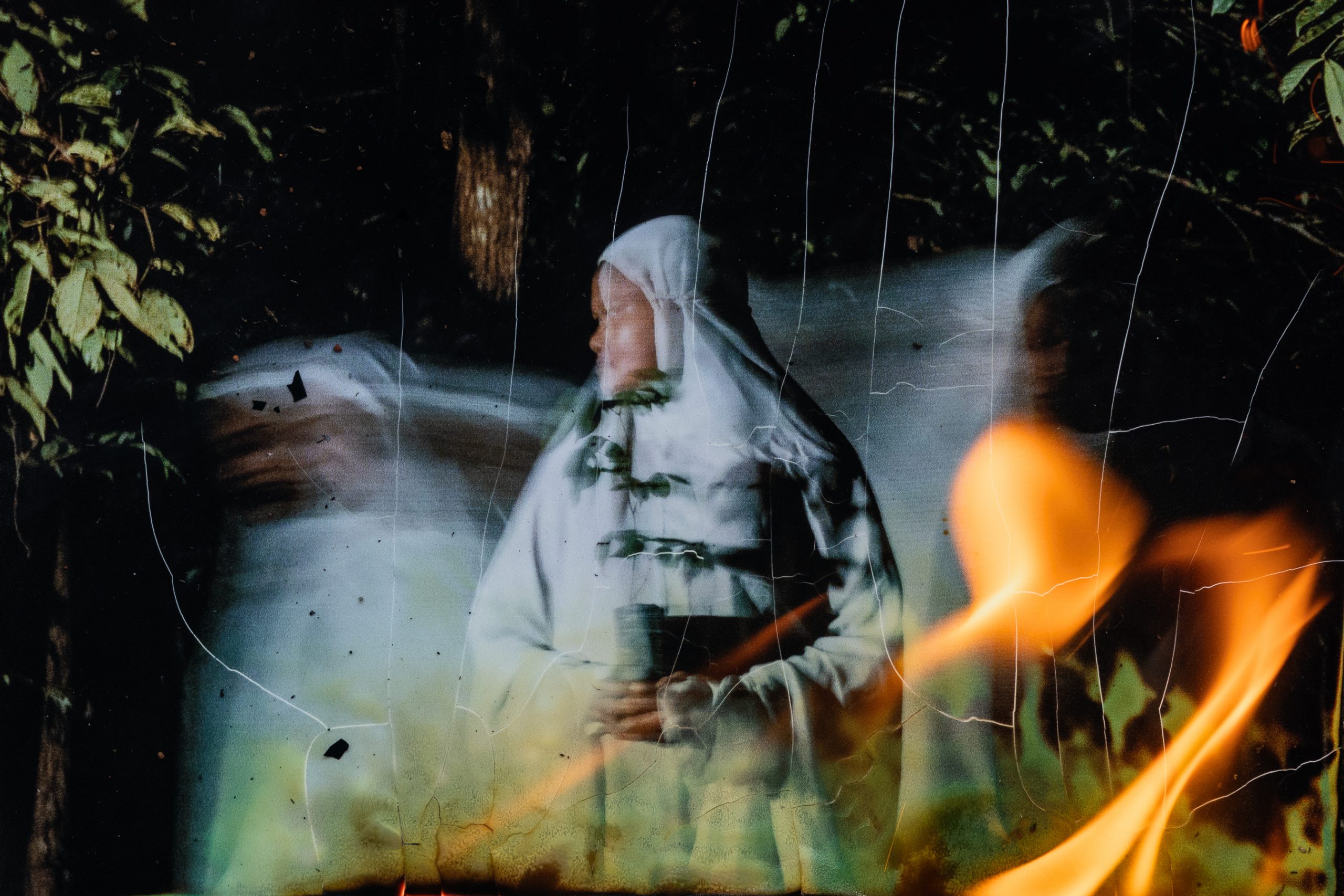
Volunteers
Group of young volunteers from local NGO HIRAI Foundation, that organises reforestation and monitoring activities around Tumbang Nusa and Kahui forests. Central Kalimantan, Indonesia
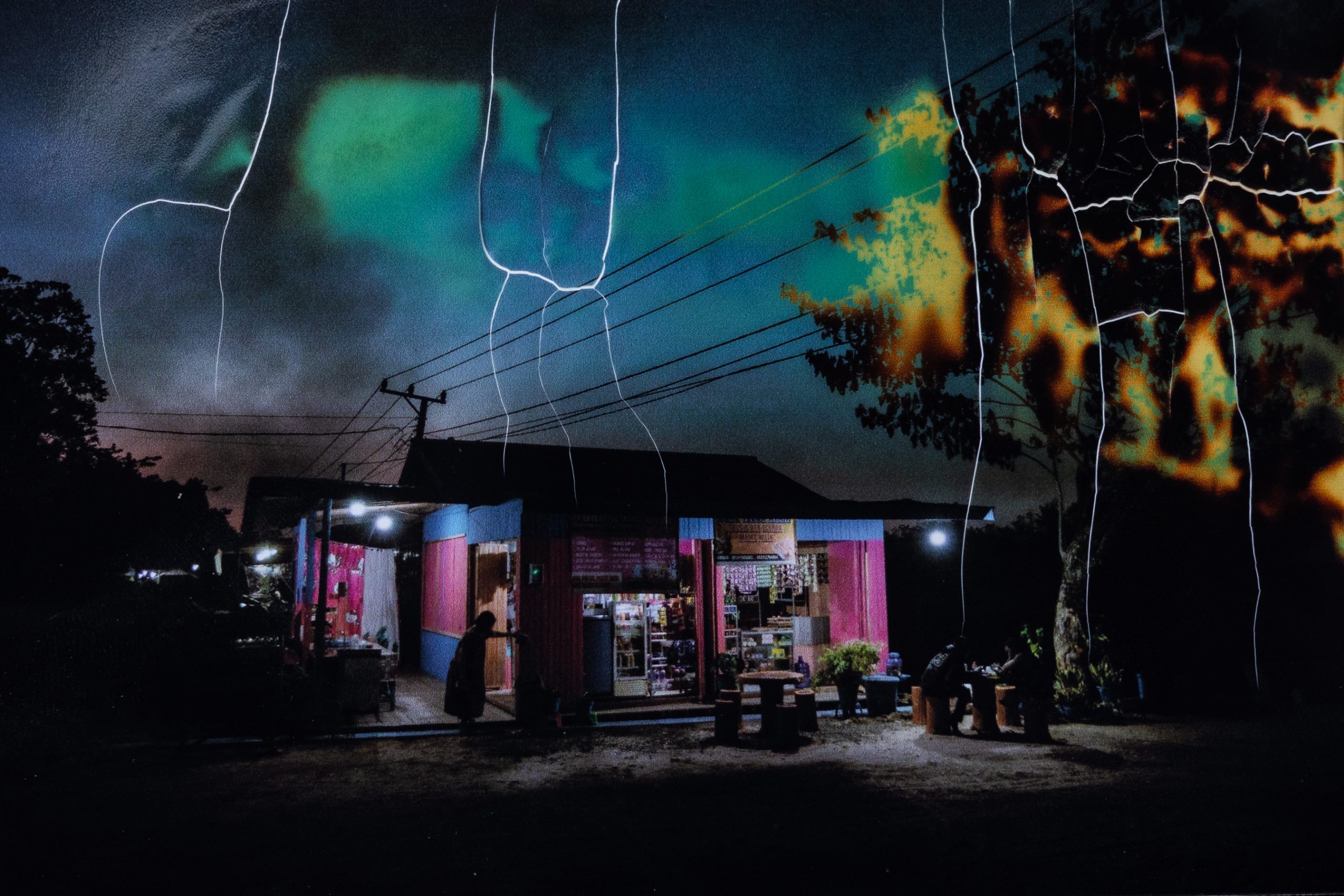
Village
Quiet evening in Tumbang Nusa village. Smoke from ongoing forest fire is raising towards the sky. Central Kalimantan, Indonesia
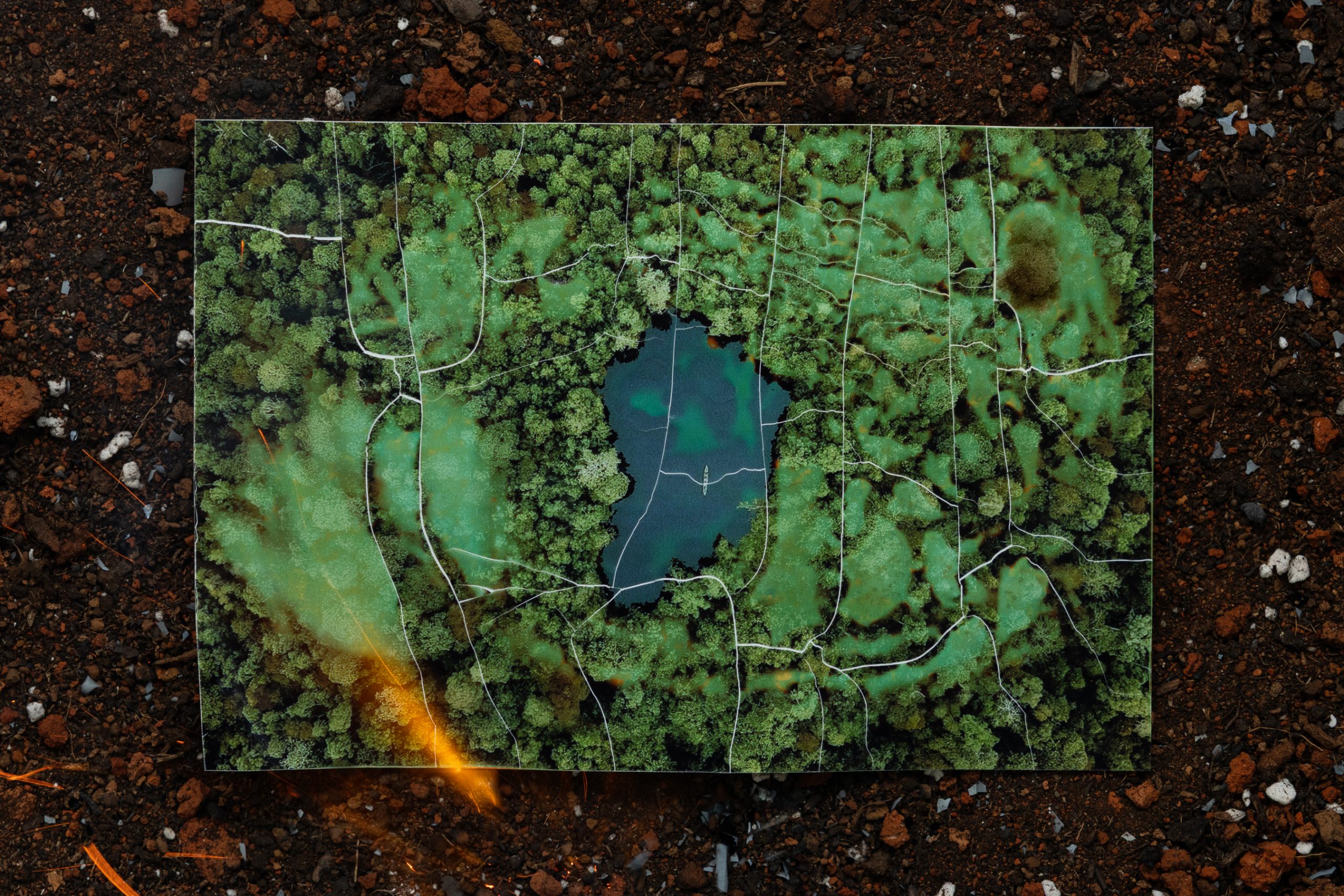
Heart of Borneo
Aerial view of Sebangau National Park. Central Kalimantan, Indonesia
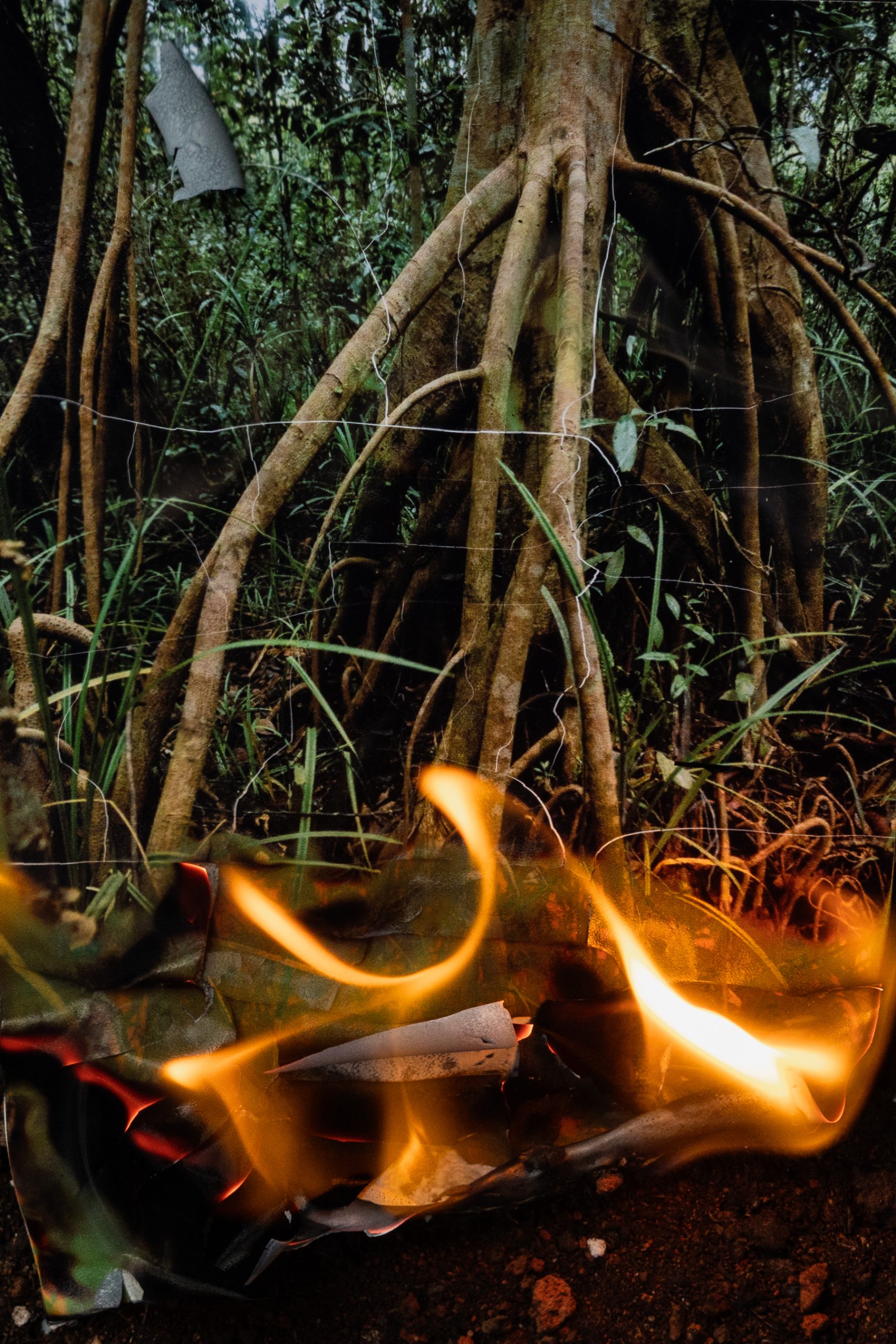
Peat swamp forest
Peat swamp forest of Sebangau National Park. It stores massive amount of carbon when filled with water. But when dried out, burns underground releasing tones of carbon dioxide into the atmosphere. Central Kalimantan, Indonesia
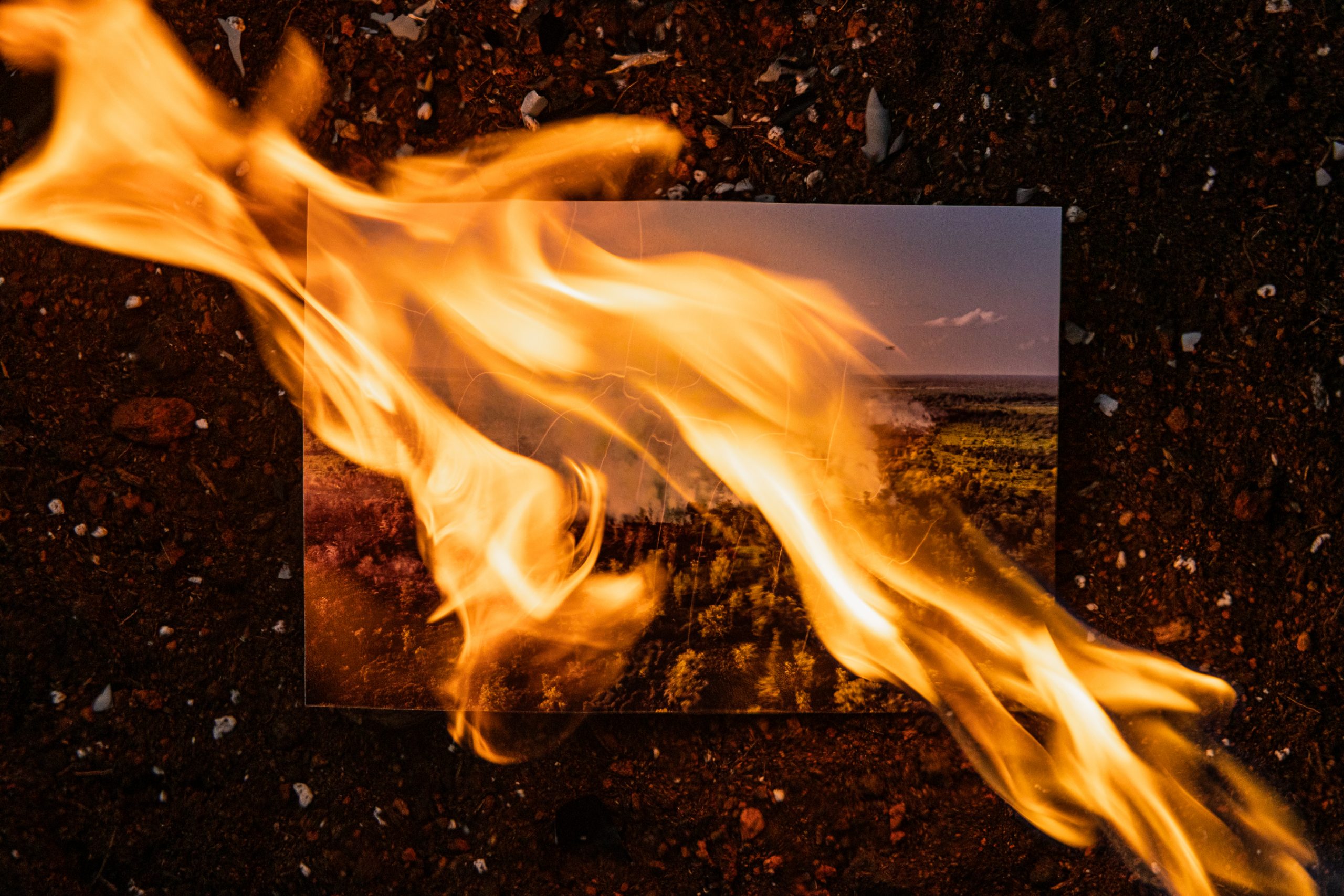
Unstoppable fire
Forest fire that has been spreading around Tumbang Nusa village. Firefighters with helicopters were unable to extinguish it more than for two months. Central Kalimantan, Indonesia
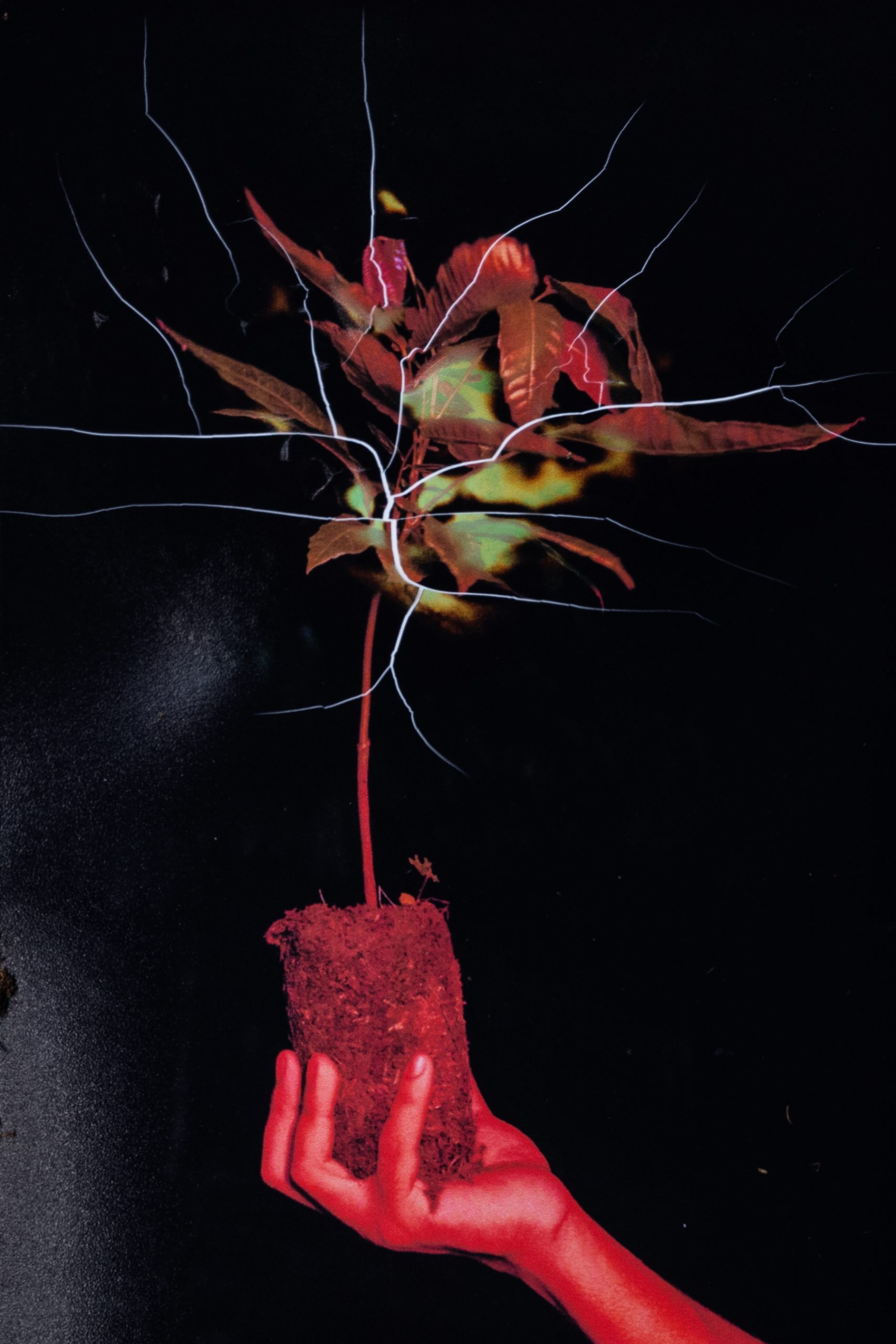
Young tree
A tree ready for planting at the tree nursery in Tumbang Nusa campsite. Central Kalimantan, Indonesia